Peace Spoken, Bombs Delivered: Thailand’s Double Language and the World’s Silence
 Peace Spoken, Bombs Delivered: Thailand’s Double Language and the World’s Silence
By Dr. Thourn Sinan
Tourism & Spiritual Professional
Shandong-China — 27 December 2025
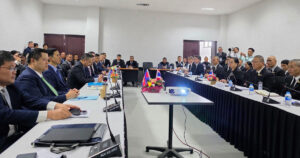
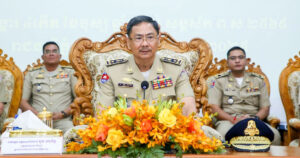
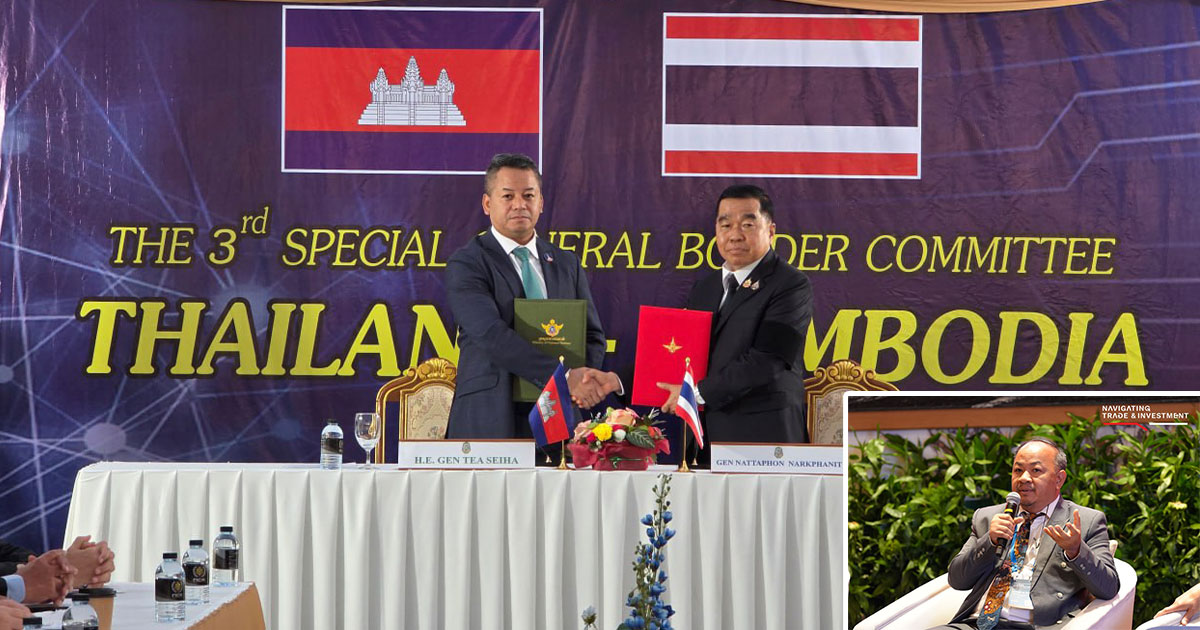
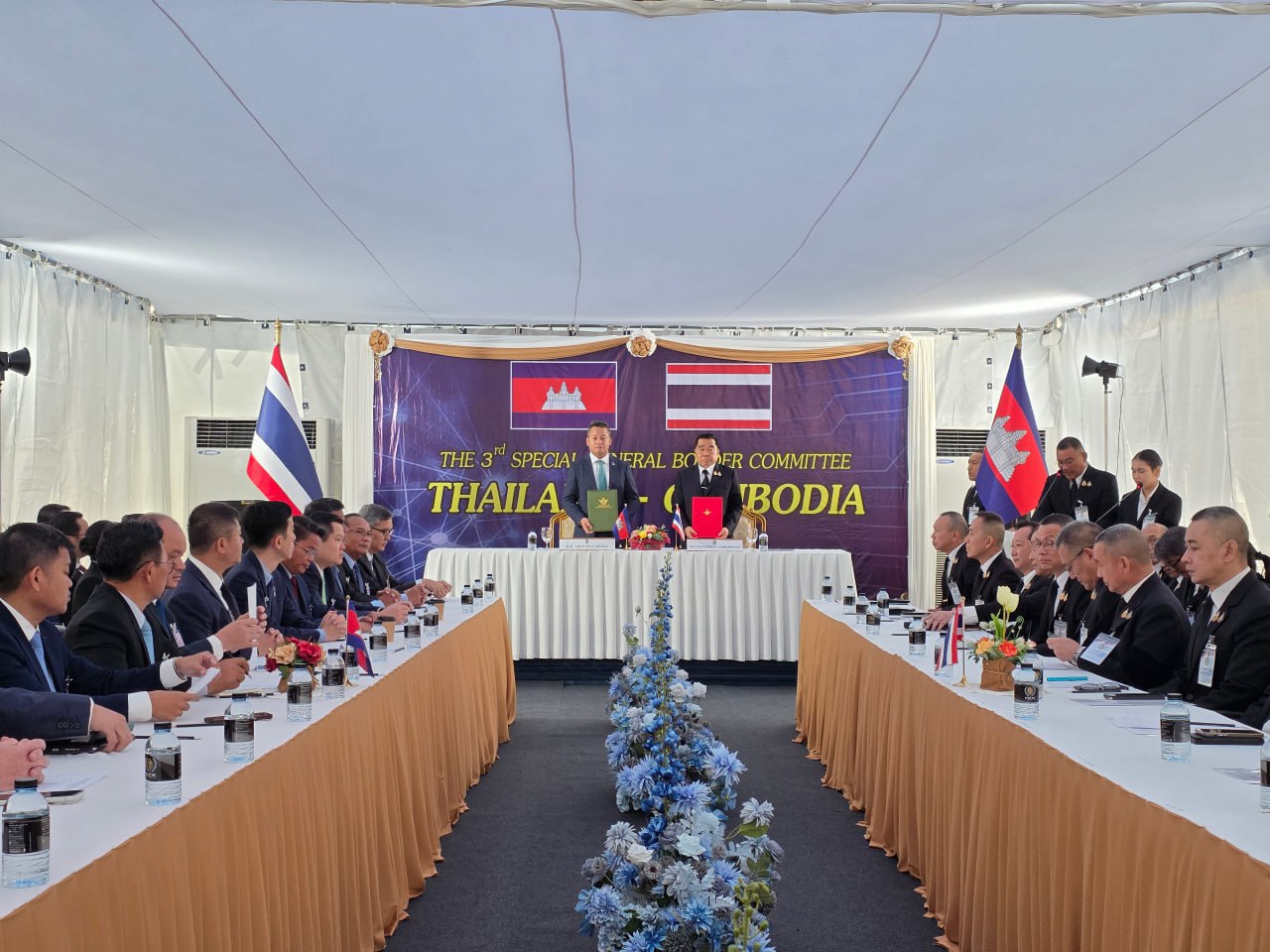
As Cambodians, we welcomed yesterday’s announcement by Anuthin Charnvirakul, who publicly committed to implement a 72-hour ceasefire beginning at 12:00 today and to release 18 Cambodian soldiers back to their families. He further stated that Thailand would send its Defence Minister to join a GBC meeting with Cambodian counterparts and consider returning to the peace agreements signed in July and October.
We wanted to believe it.
Even knowing Thailand’s past behavior.
Even knowing that such “72-hour ceasefires” are often used as tactical pauses—time to regroup, rotate soldiers, rearrange strategy, and prepare the next move.
We wanted to believe it anyway.
Because Cambodia does not want tricks.
Cambodia does not want games.
Cambodia wants peace. Cambodia needs peace. Peace is the only thing the Cambodian people are asking for.
But words of peace collapse when bombs fall.
While ceasefire was promised, homes, health centers, schools, pagodas, and markets were still burning this morning. Thai F-16s continued dropping bombs, and heavy weapons fire persisted across villages and near temples in Banteay Meanchey and Preah Vihear. Civilians ran. Children hid. Communities shook. This is not confusion. It is a contradiction so stark it insults the truth.
If a ceasefire is sincere, why do bombs continue after the promised hour?
If talks are genuine, why does violence continue while peace is announced?
Peace cannot be declared by microphone while war is executed by machine.
On the ground—especially in Banteay Meanchey—families are fleeing again. Markets are empty. Schools are unsafe. Temples are quiet not from meditation, but from fear. This morning’s strikes make clear that the language of peace is being spoken while the machinery of war keeps moving.
This is not diplomacy.
It is double language.
The humanitarian cost is severe. Communities already displaced are pushed further into uncertainty. Shelters overflow. Clean water is scarce. Electricity is absent. Food is irregular. Sanitation is inadequate. Fear becomes routine. This is the reality civilians endure while ceasefire is discussed.
The world must name this honestly: continued aggression during proclaimed ceasefire talks is a crime against civilians. It is not confidence-building; it is coercion. It is not negotiation; it is pressure through terror.
And so we ask the international community—plainly and urgently:
Where is the United Nations now?
Is the UN serving global peace—or has it become an institution that speaks only after the weak are broken?
Is international law applied equally, or only when powerful interests are untouched?
Cambodian civilians are not statistics. Their suffering is not “collateral.” It is the predictable result of heavy weapons used where civilians live.
The cries from the displaced—សម្រែកឈឺចាប់—are real. Families in Banteay Meanchey plead for the world to stop the invasion and the use of heavy weapons against Cambodian territory. These are not calls for revenge. They are calls for protection.
Cambodia has shown restraint. It has returned to dialogue again and again. It has honored agreements that Thailand later violated. Now, while Thailand speaks of peace, its actions betray its words.
The international community must act—now:
- Demand an immediate halt to airstrikes and heavy weapons.
- Enforce the existing peace agreements.
- Protect civilians under international law.
- Hold accountable those who speak peace while delivering war.
History will not remember announcements.
It will remember the timing of the bombs.
Cambodia asks for nothing extraordinary—only what international law already promises: sovereignty respected, civilians protected, and peace proven by action, not words.
If the world remains silent now, it will not be neutral.
It will be complicit.