Thailand’s Moral Collapse: From a Civilized State to a Predator of the Weak
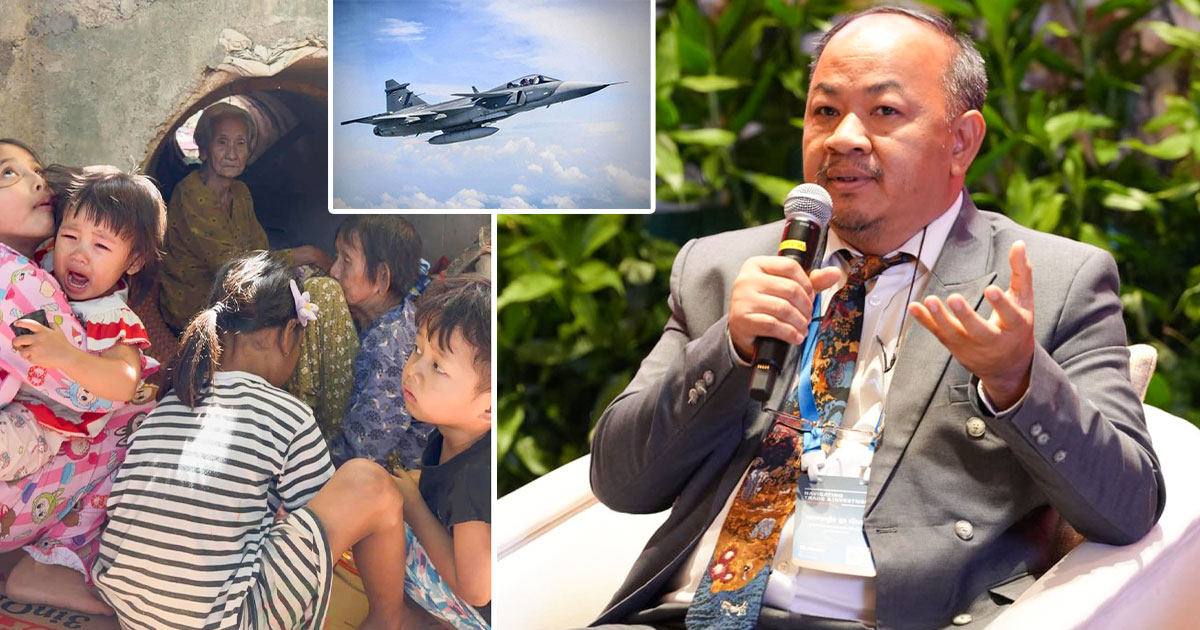 Thailand’s Moral Collapse: From a Civilized State to a Predator of the Weak
For decades, Thailand presented itself to the world as a modern, civilized nation—orderly, disciplined, responsible. Today, that image is breaking apart. What has emerged instead is something darker: a state that has crossed from neighbor into invader, from authority into predator, from civilization into moral collapse.
What the world did not expect—and still hesitates to confront—is that Thailand’s actions against Cambodia have gone far beyond military aggression. They have descended into criminal behavior and loss of humanity.
Thai forces did not arrive only with weapons and bombs. They arrived with hands that steal.
Homes were entered and stripped of belongings.
Hotels and casinos were looted.
Motorbikes were taken.
Private property disappeared from civilian houses.
Cambodian police and defense personnel were ambushed and killed.
Unarmed civilians walking on ordinary roads were shot and left to die.
This was not combat.
This was not security.
This was robbery, violence, and killing under the cover of war.
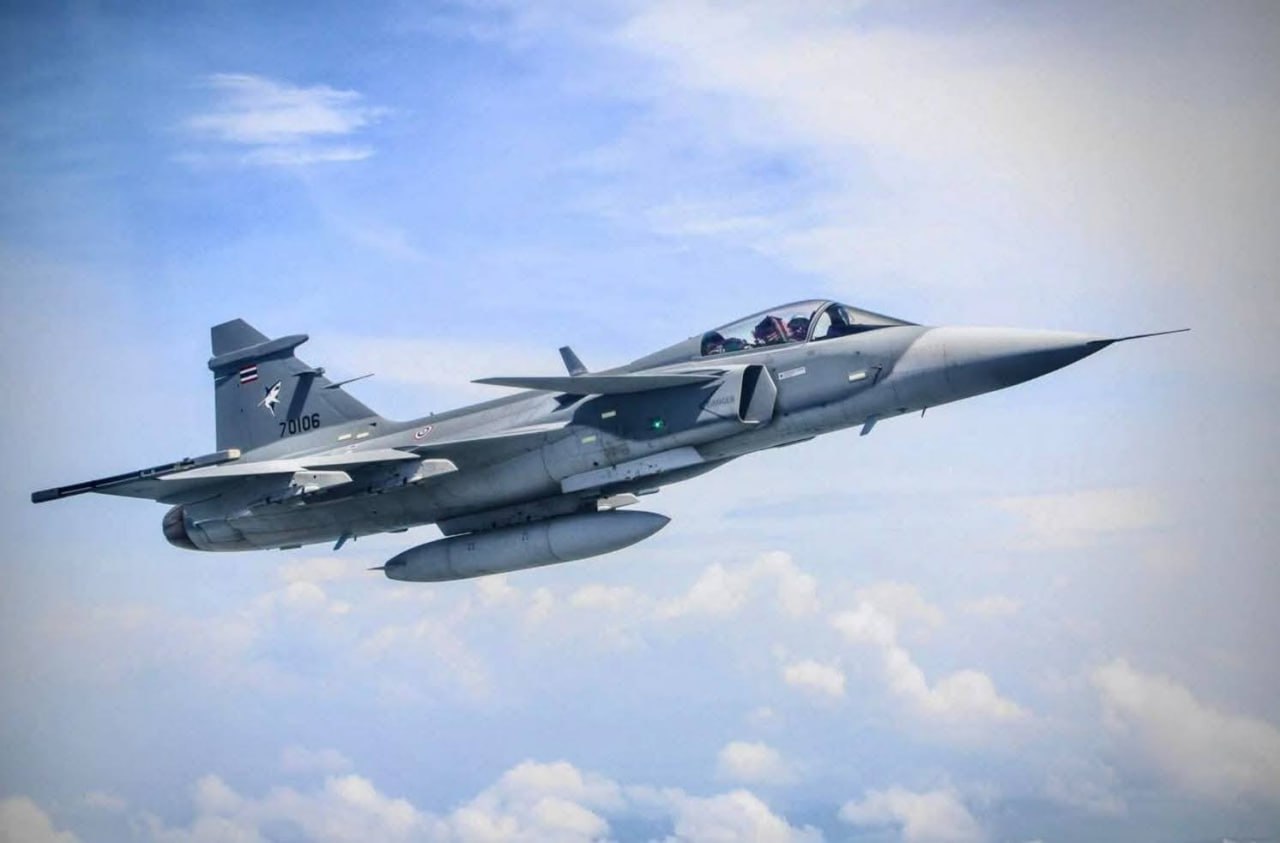
An army that loots civilians is no longer an army of a civilized state.
A soldier who steals from the weak has lost his humanity.
A government that tolerates this behavior has lost its moral soul.
The human cost is now overwhelming. More than half a million Cambodians have been forced from their homes, driven into open fields and makeshift camps. Families sleep on bare ground. There is no proper shelter, no clean water, no electricity, no stable food supply, no toilets, no sanitation. Children drink unsafe water. Elderly people collapse from exhaustion. Pregnant women give birth without medical support. Disease, hunger, and trauma spread silently through the camps.
This is not displacement by accident.
This is homelessness imposed by force.
Cambodia now faces extreme national risk—humanitarian, social, and generational. Homes are gone. Livelihoods are destroyed. Communities are broken. What is happening is not simply unlawful; it is beyond what any society should accept as human behavior.
The most disturbing question is not only what happened, but how it became possible.
How does a country that claims civilization descend into looting and killing civilians?
How does a state justify theft, destruction, and terror—and still demand respect?
At what point did Thailand abandon the values that separate humanity from brutality?
Cambodia did not invade Thailand.
Cambodia did not loot Thai homes.
Cambodia did not kill Thai civilians walking peacefully in their streets.
Yet Cambodian families return to empty houses.
Cambodian villages bury civilians who never carried weapons.
Cambodian police die defending neighborhoods, not battlefields.
These acts cannot be softened by diplomatic language.
They cannot be hidden behind excuses.
They cannot be erased by silence.
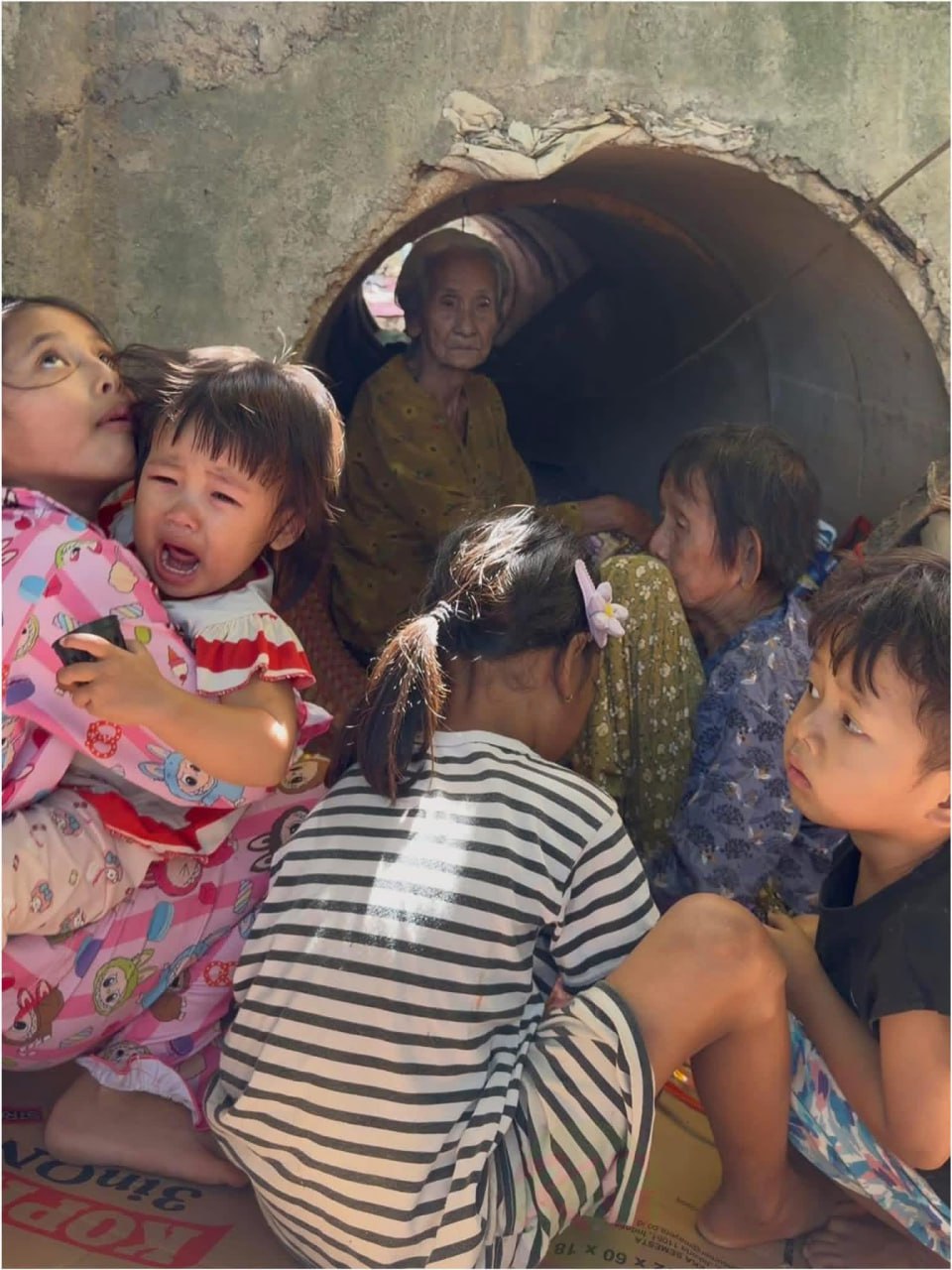
A state that bombs, loots, kills, and drives over half a million people into homelessness has crossed a line—from conflict into moral ruin.
Thailand still has a choice.
It can continue denial.
It can continue blaming the victim.
It can continue hiding behind power.
Or it can face the truth: what it has done is not the behavior of a civilized nation.
If Thailand wishes to reclaim dignity, it must first reclaim humanity—by stopping the violence, returning what was stolen, acknowledging the dead, allowing accountability, and respecting Cambodian sovereignty.
Until then, history will not remember Thailand as a modern state defending order.
It will remember a nation that chose brutality over principle—and lost itself.
The question now belongs not only to Thailand, but to the world:
How long will barbarism be tolerated simply because it wears a uniform?
By Dr. Thourn Sinan
Tourism & Spiritual Professional
Hebei, China